


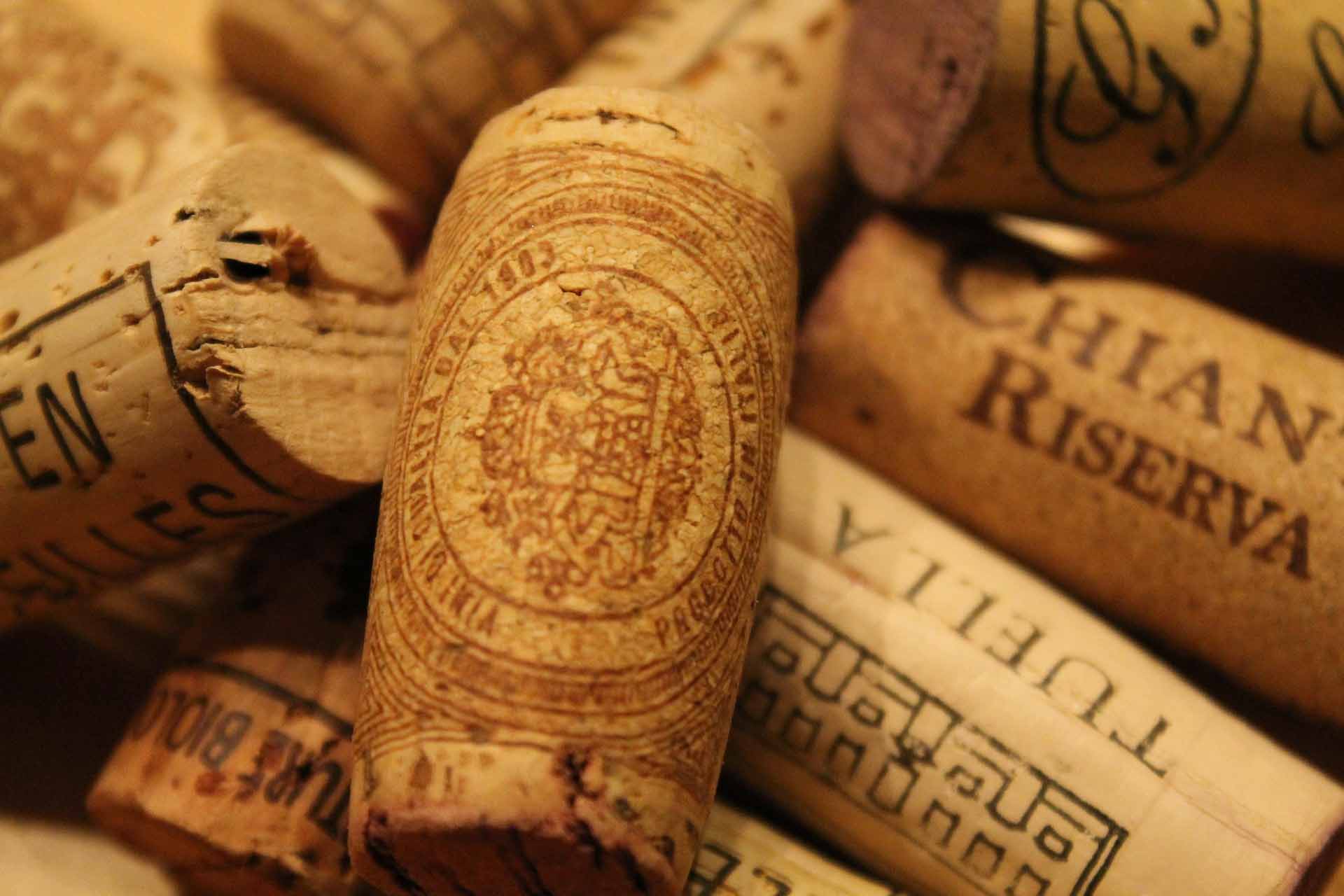
Chianti for Beginners
Understanding Italy’s Most Famous Red Wine
For many international travelers, discovering Chianti is one of the most memorable parts of visiting Tuscany. Served in rustic trattorias, elegant wine bars, and countryside estates, Chianti has become one of the most recognizable symbols of Italian wine culture. Yet behind its global fame lies a rich story of tradition, geography, and craftsmanship. For newcomers to Italian wine, understanding Chianti is the perfect place to start.
What exactly is Chianti?
Chianti is both a wine and a wine region located in central Tuscany, between the historic cities of Florence and Siena. The wine has been produced here for centuries, and the landscape itself—rolling hills covered in vineyards, olive groves, and medieval villages—has become inseparable from the identity of the wine.
The name “Chianti” refers to wines produced within a specific geographic area and according to strict production rules that guarantee quality and authenticity.
The grape behind the wine
The heart of Chianti is the Sangiovese grape, Italy’s most important red grape variety. Sangiovese is known for producing wines with bright acidity, medium body, and lively aromas.
Typical flavors often include:
- red cherry
- plum
- violet
- dried herbs
- subtle spice
These characteristics make Chianti elegant, fresh, and particularly food-friendly.
Chianti vs. Chianti Classico
One of the most common sources of confusion for beginners is the difference between Chianti and Chianti Classico.
Chianti Classico comes from the historic heart of the Chianti region, the area between Florence and Siena where the wine was first produced. Wines from this zone tend to be more structured and complex.
Chianti, on the other hand, can come from a larger surrounding area divided into several subregions. These wines are often slightly lighter and more approachable, making them an excellent introduction to the style.
A helpful detail for travelers: bottles of Chianti Classico display the symbol of the Black Rooster on the label, a historic emblem of the region.
What does Chianti taste like?
Chianti is famous for its balance. Compared with many international red wines, it usually feels fresher and less heavy.
You can expect:
- bright fruit flavors rather than jammy sweetness
- noticeable but smooth tannins
- refreshing acidity
This structure makes Chianti incredibly versatile with food.
Perfect food pairings
Chianti was essentially made for Italian cuisine. Its acidity and structure allow it to complement a wide variety of dishes, especially those based on tomato, herbs, and olive oil.
Classic pairings include:
- pasta with tomato sauce
- pizza
- grilled meats
- cured meats and cheeses
- Tuscan specialties such as ribollita or bistecca alla fiorentina
Because it is not overly heavy, Chianti also works well with everyday meals.
Why travelers fall in love with Chianti
For many visitors, Chianti is more than a wine—it is a landscape and a lifestyle. Vineyards stretch across gentle hills, stone villages sit atop ridges, and small family wineries welcome guests for tastings and tours.
Drinking Chianti in the place where it is produced adds another dimension to the experience: the connection between the wine, the land, and the people who make it.
For beginners exploring Italian wine, Chianti offers the perfect introduction. It is historic but approachable, traditional yet vibrant, and above all deeply connected to the culture and cuisine of Tuscany.
Related posts
The ritual that comes before the wine
September at Castelvecchi has a particular scent: that of must beginning to ferment and vineyards em

Getting Married in Italy as a Foreigner
Documents and Paperwork What to know before planning your dream wedding in Tuscany Getting married i

Why Get Married in a True Hamlet
Not a Recreated Villa There’s a difference you can feel before you even see it. It’s the