

Why Get Married in a True Hamlet
Not a Recreated Villa
There’s a difference you can feel before you even see it. It’s the difference between a “Tuscan-themed” venue built to resemble a hamlet, and a hamlet that actually is one — for a thousand years.
Castelvecchi belongs to the second category. It is not a resort that recreated the atmosphere of Chianti to host events: it is a fortified settlement dating back to 1043, continuously inhabited for centuries, owned by the same family — the Catania/de Vecchi Gutierrez de La Solana — for around six generations. The stones, the cellars, the alleyways are not a stage set. They are the real history of the place.
The Difference Between Scenery and Authenticity
Many wedding venues in Tuscany are beautiful, but openly designed for events: villas renovated specifically for the purpose, gardens laid out for photographs, spaces that recreate — often with great care — the idea of a “Tuscan hamlet.”
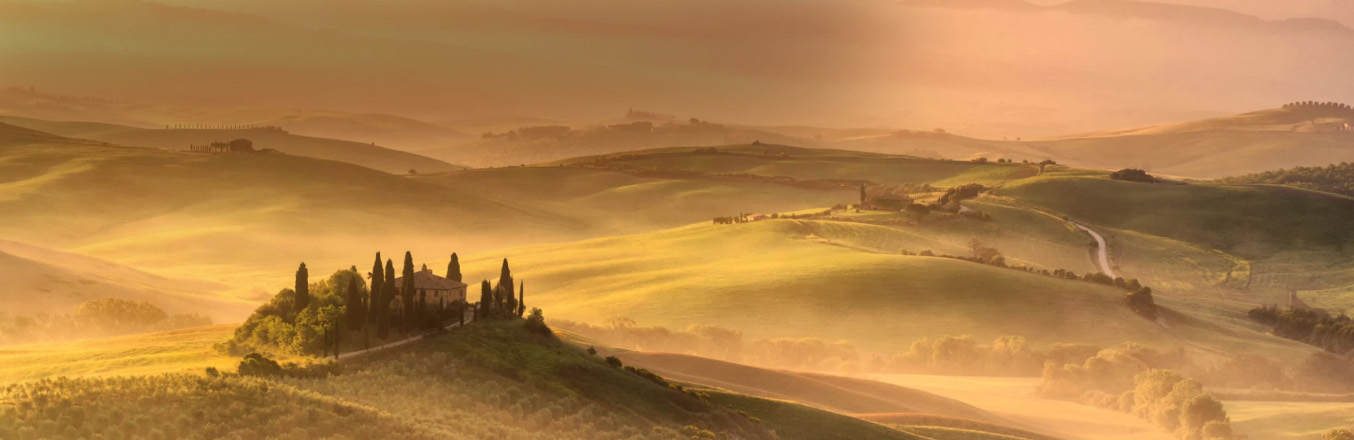
Castelvecchi doesn’t recreate anything. The hamlet existed long before tourism, long before the very concept of a wedding venue, and it continues to live as a working agricultural estate: 300 hectares of vineyards and olive groves surrounding the ancient farmhouses, now converted into rooms and apartments, without ever losing their original exposed wooden beams and terracotta floors.
For couples, this means something simple: guests don’t step into a venue. They step into a real place, with a real history — and they feel it, even without knowing why, in the atmosphere, in the details, in the way the space has been lived in for centuries before them.
An Entire Hamlet, Not Just a Hall
At Castelvecchi, couples can reserve the entire medieval hamlet exclusively, or just the eighteenth-century manor villa, depending on the number of guests — up to 100 people for overnight stays, with even greater capacity for the reception. This means that for the whole weekend, the place belongs only to the couple and their guests: no other events, no overlap, no sense of a “shared venue.”
The spaces tell different stories depending on the moment of the day: the eighteenth-century chapel or the garden for the ceremony, the historic cellars for tastings, the 150-square-meter hall opening onto the terrace for the reception, the panoramic pergola for a sunset aperitivo over the Chianti hills.
Wine Isn’t a Detail — It’s Part of the Story
In a place like Castelvecchi, wine isn’t a decorative touch added for the occasion: it’s the very activity that has kept the hamlet alive through the centuries. The centuries-old cellars, the vaulted rooms, the scent of wood and ageing wine become a natural part of the experience — in pre-wedding tastings, welcome dinners, and shared moments with guests.
A Weekend, Not Just a Day
Precisely because it’s a living hamlet rather than an event hall, Castelvecchi allows a wedding to unfold over several days: the couple and their guests stay on site, with no transfers and no watching the clock. Mornings begin already immersed in the Chianti landscape, with informal lunches, barbecues under the pergola, or wood-fired pizza evenings in the hamlet’s small piazza. It’s a way of experiencing both the wedding and Tuscany that a villa “built for the occasion” simply cannot offer — because it lacks the everyday life that sustains it.
A Heritage That Speaks for Itself
Choosing Castelvecchi means choosing a story, a landscape, and a heritage that need no embellishment. Nothing here has been staged, and yet every corner — the entrance to the hamlet, the stone terraces, the paths winding through the vineyards — becomes naturally photogenic, without effort.
For couples seeking a wedding that feels like authentic Tuscany, rather than an idea of it, the difference between a true hamlet and a recreated venue isn’t a matter of aesthetics. It’s the heart of the entire experience.
Related posts
Getting Married in Italy as a Foreigner
Documents and Paperwork What to know before planning your dream wedding in Tuscany Getting married i
Why Get Married in a True Hamlet
Not a Recreated Villa There’s a difference you can feel before you even see it. It’s the
BorgoCastelvecchi Named a Winner at the Hitched Wedding Awards 2026
Recognised as One of the UK’s Top Wedding Professionals Radda in Chianti, 21 January 2026 Hitc