

The ritual that comes before the wine
September at Castelvecchi has a particular scent: that of must beginning to ferment and vineyards emptying bunch by bunch. This is harvest time, the moment when a full year of work in the vineyards finally finds its answer, and the village comes alive with an activity that has lasted for centuries.
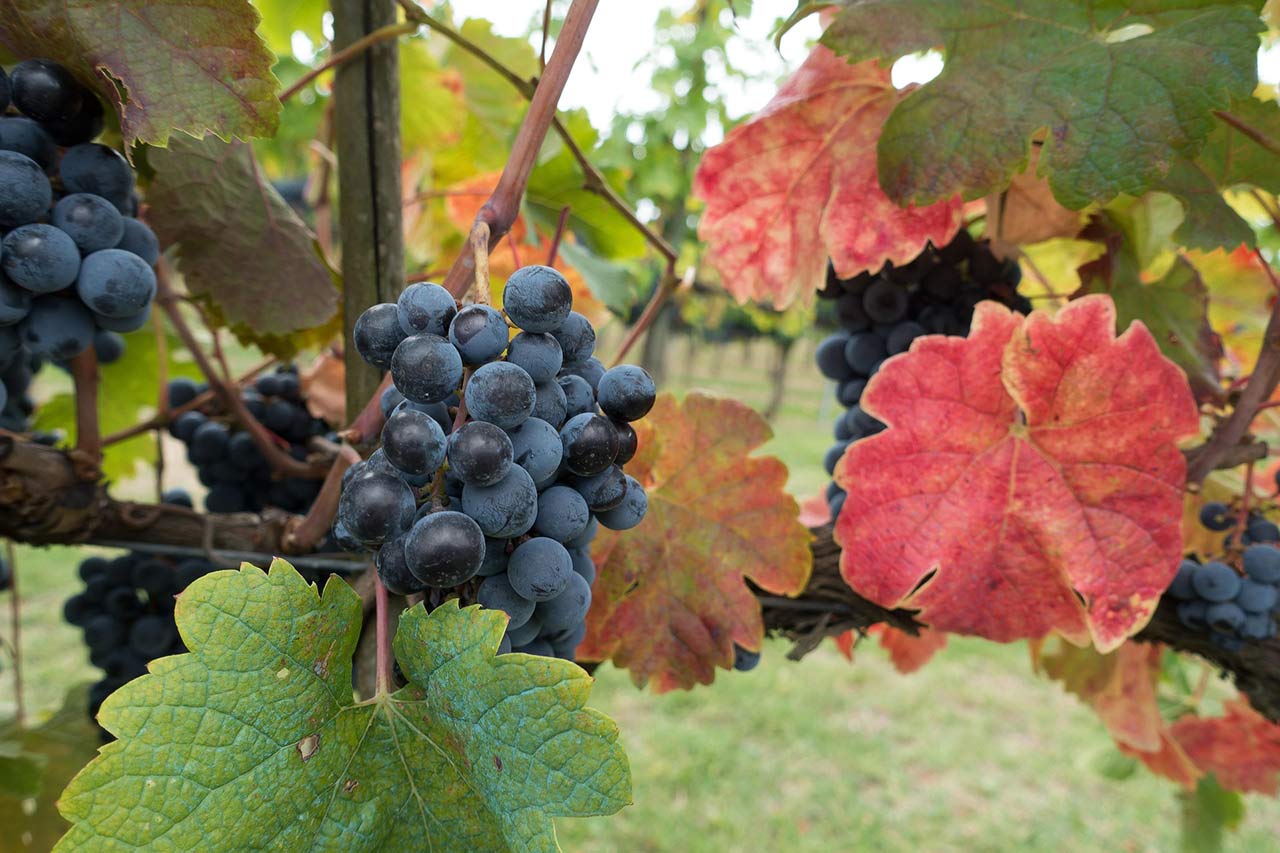
Here, among the hills of Radda in Chianti, the harvest has never been just an agricultural task. It’s an appointment that marks the rhythm of rural life, handed down from season to season, and one still carried out today with the same care as in the past: the grapes are picked by hand, bunch by bunch, choosing the exact moment when sugars and acidity reach their best balance.
Walking through the vineyards these days, you can feel a different energy compared to the rest of the year. Baskets fill up, tractors move along the white roads between one estate and the next, and in the cellar everything is ready to welcome the fruit of months of care: the winter pruning, the work in the vineyard, the weeks of waiting under the Tuscan sun.
A day in the life of the harvest
Work begins early, often at dawn, when temperatures are still cool and the grapes better preserve their aromas. The pickers move row by row, selecting each bunch individually and setting aside anything not perfectly ripe. It’s not a mechanical gesture: it’s continuous, almost artisanal attention, requiring a trained eye and experience.
The full baskets are brought to the cellar within a few hours, since the grapes need to be processed as fresh as possible. This is where the second phase begins, pressing and first fermentation, when the juice slowly starts its transformation. It’s a delicate moment, followed with constant attention: temperature, timing, and skin contact already shape the first traits of the wine’s future character.
Every vintage carries its own story. Climate, rainfall, the swing between day and night temperatures: these seemingly small details define the character of every Chianti Classico that will be born from this harvest. And this is exactly what makes it so fascinating to watch the work in the cellar up close: knowing that every bottle holds the story of an unrepeatable summer.
A landscape that tells the season
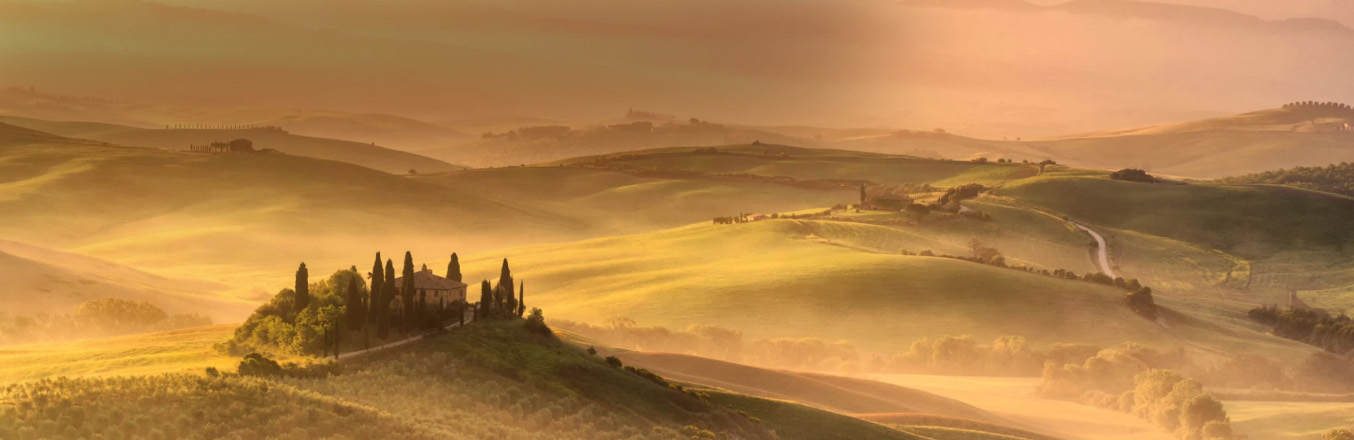
Guests staying at Castelvecchi during this period have a rare opportunity: to witness up close a moment that blends effort, tradition and anticipation, set in a landscape that seems made to tell its story. Hills turning green and gold, cypress trees marking the outline of the vineyards, the silence of early morning when the pickers head out into the fields: these are images that stay with you long after the stay is over.
Even the small rituals that come with the harvest are worth experiencing: the shared lunch among the workers during the midday break, the scent of must drifting through the air as evening falls, the quiet satisfaction of those who have tended the vines all year and are now, quite literally, reaping the reward. These are the details that tell the story of the most authentic Chianti, far from the postcard image.
From vine to glass
The natural next step, for anyone who truly wants to understand what the harvest means, leads straight to our wine tastings. In Castelvecchi’s ancient, millennial cellars, carved into the rock and shaped by a unique microclimate, the wines from previous vintages already tell the story of what this year’s grapes will become in the months ahead.
Tasting a Chianti Classico after having seen the vineyard work up close changes everything: every sip becomes meaningful, the final point of a process you’ve just witnessed firsthand. That’s why we recommend experiencing the harvest and the tasting as a single experience, booking a cellar visit during your stay.
Book your wine tasting at Castelvecchi and discover the Chianti Classico born from these very hills.
Related posts
The ritual that comes before the wine
September at Castelvecchi has a particular scent: that of must beginning to ferment and vineyards em
Getting Married in Italy as a Foreigner
Documents and Paperwork What to know before planning your dream wedding in Tuscany Getting married i
Why Get Married in a True Hamlet
Not a Recreated Villa There’s a difference you can feel before you even see it. It’s the